BENTWOOD LOUNGE

LC01B-W

——

DESIGN

Unknow , the late 17th-century

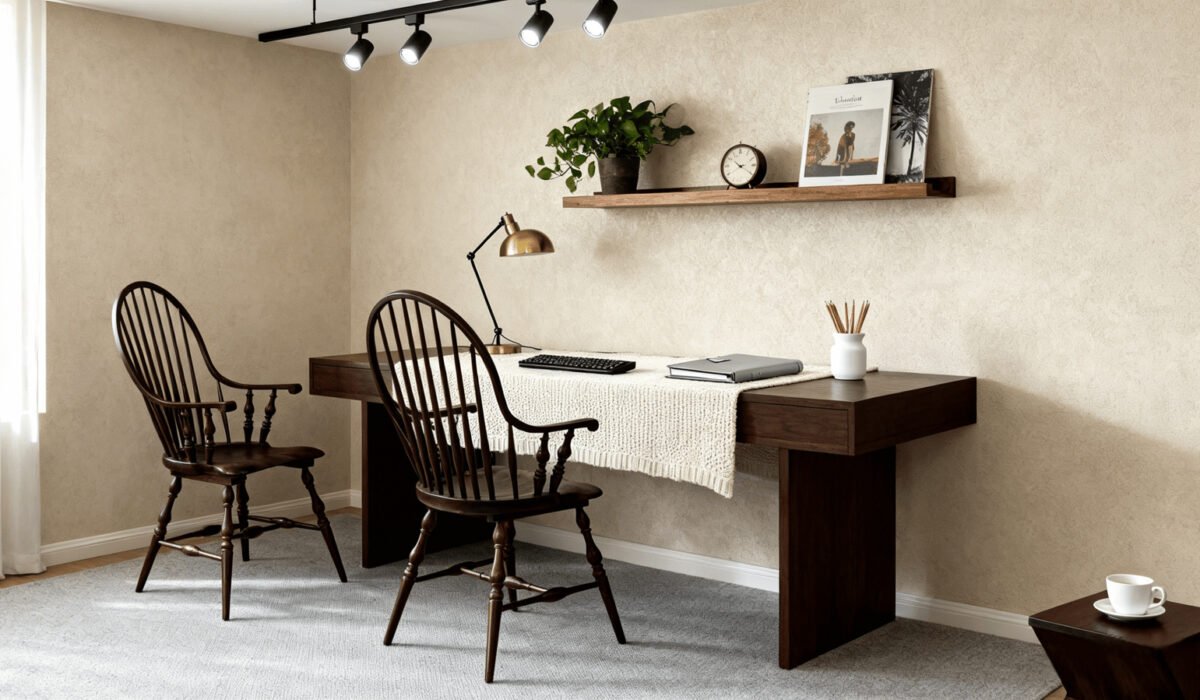
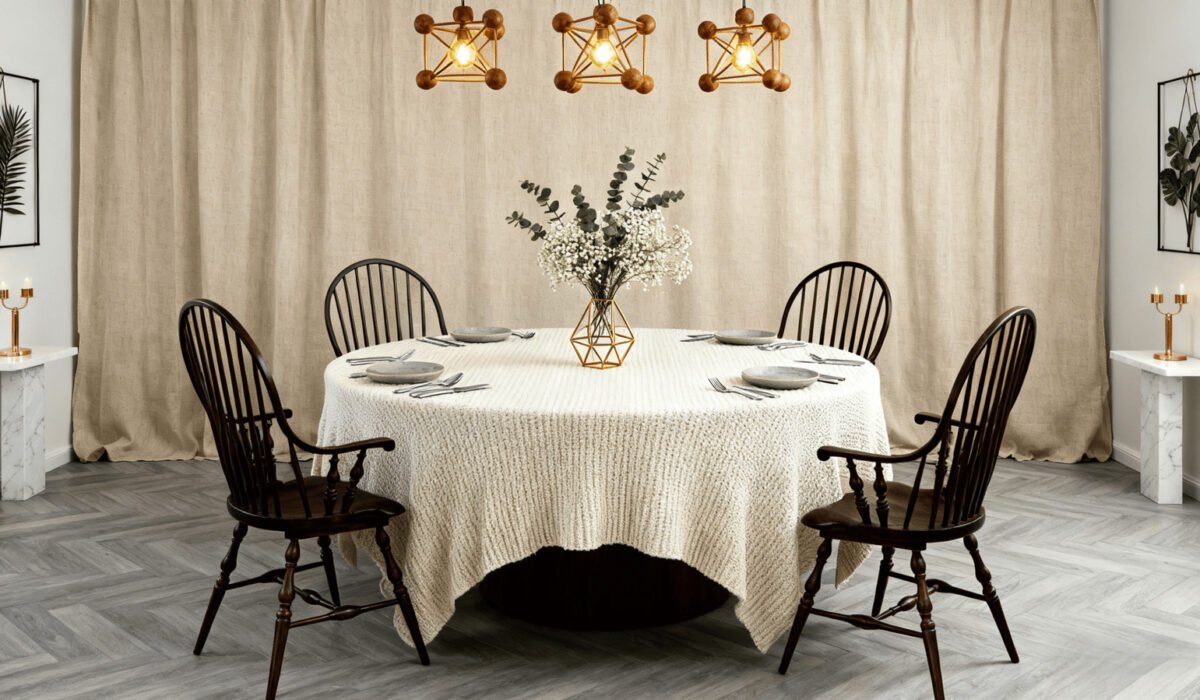
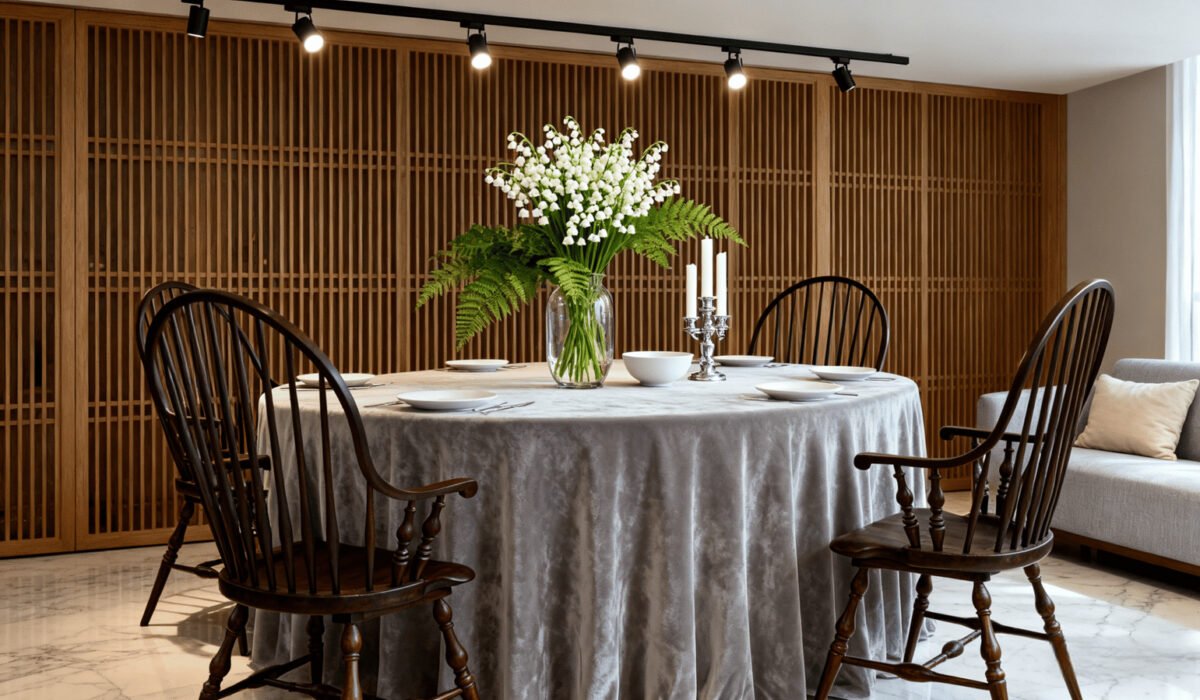
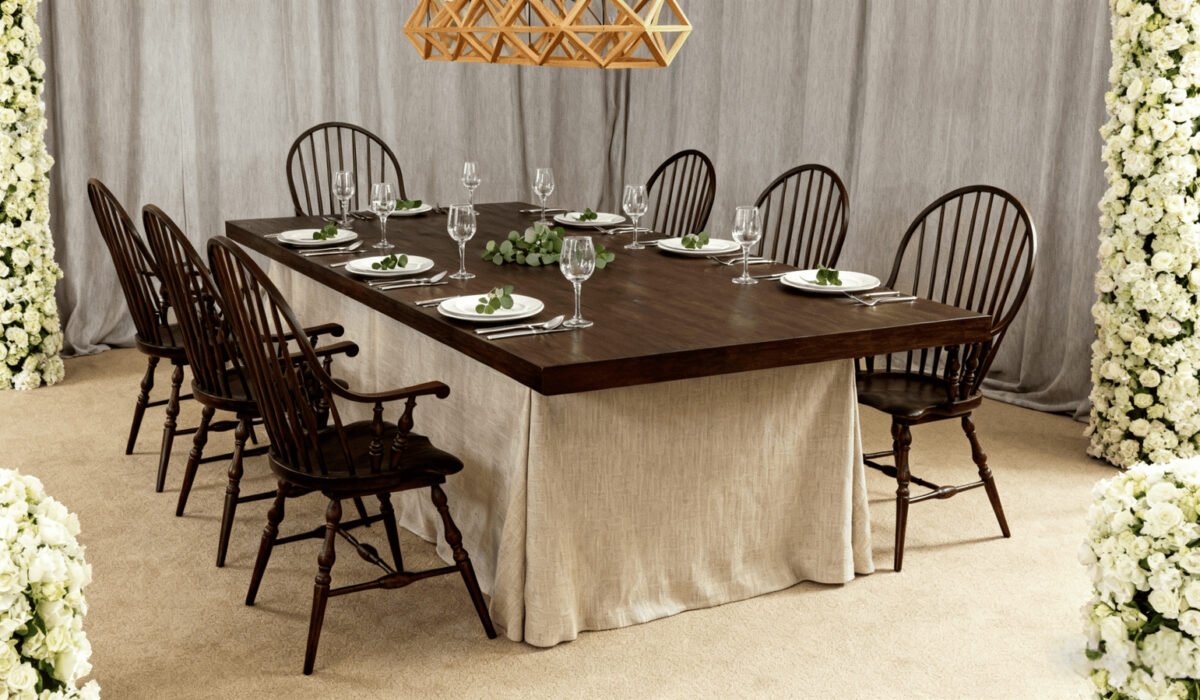
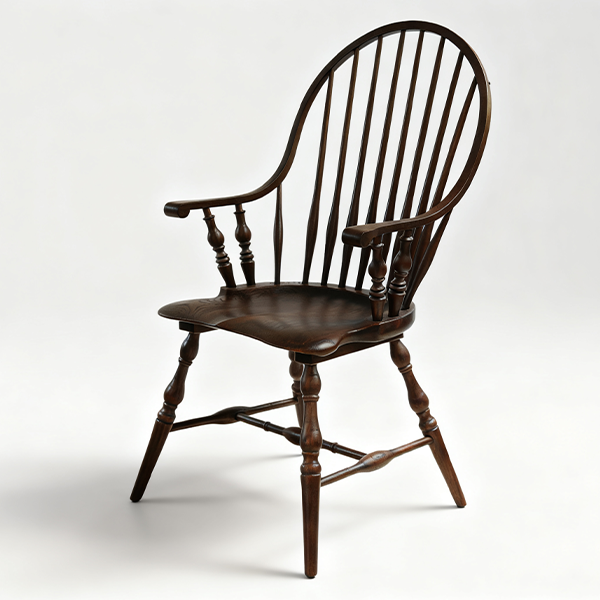
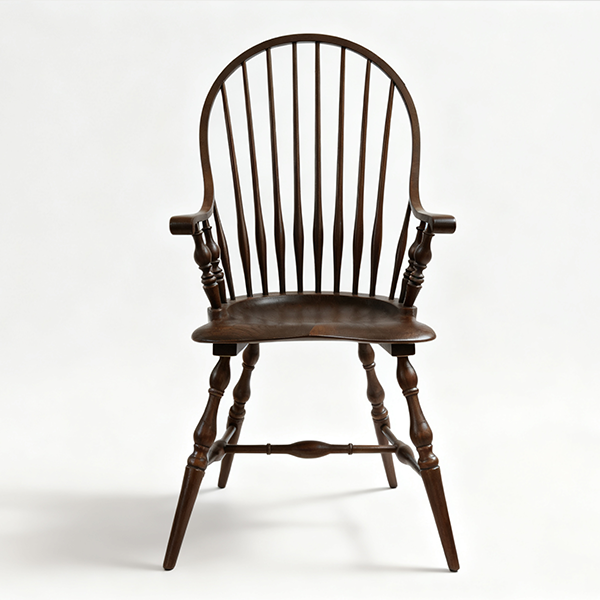
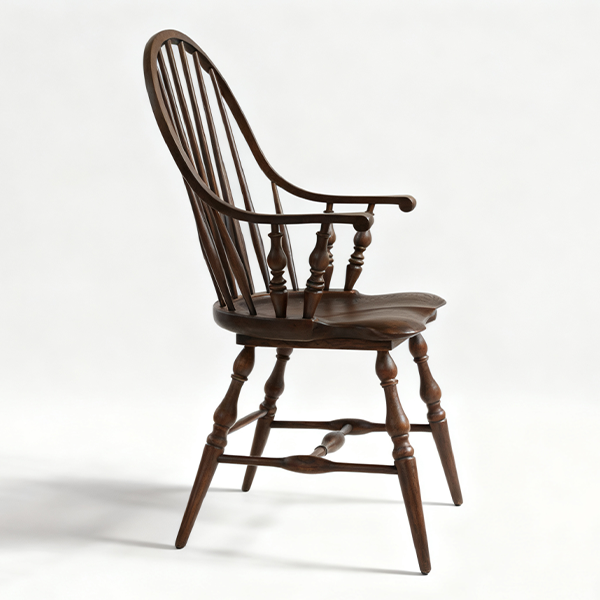
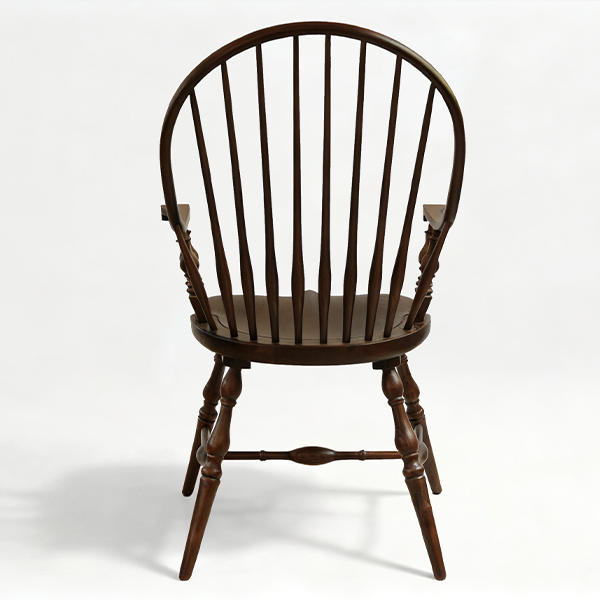
The Windsor armchair (pictured here is the classic “hoop-back Windsor chair”) dates back to late 17th-century England, where it was crafted by rural artisans for outdoor work and domestic use; it takes its name from the Windsor region, where it was mass-produced. By the mid-to-late 18th century, the structure and form of the Windsor chair had largely taken shape. Evolving from its initial rustic and utilitarian design, it transformed into an armchair that combined comfort with decorative appeal, becoming a representative piece of furniture around the time of the American Revolution. Its simple structure, natural aesthetic, and ergonomic principles profoundly influenced 20th-century Scandinavian design, Modernism, and American vintage styles.

TECHNICAL DATA

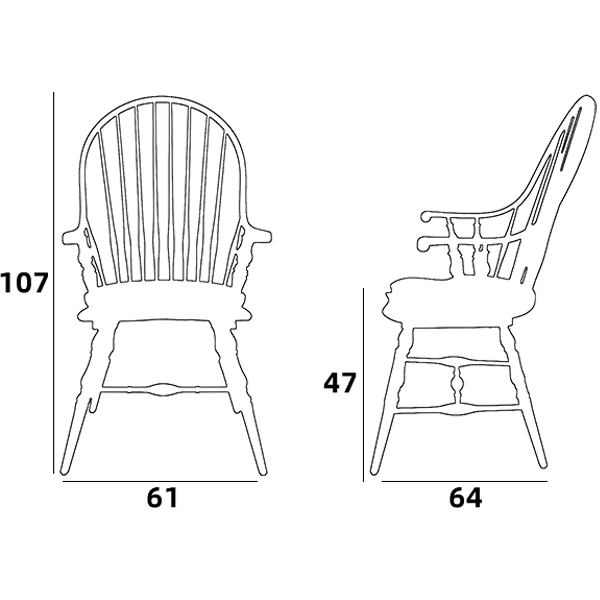
Height: 107 cm

Width: 61 cm

Depth: 64 cm

Seat height: 47 cm

Stackable: yes

Material: walnut

Weight: 8 kg
LEARN MORE

The Ultimate in Ergonomics

The curved, wide backrest (hollowed-out) and vertical slatted backrest (arrow-shaped) perfectly conform to the natural curves of the back. The armrests and backrest are molded as a single unit, providing support for the elbows, shoulders, and neck. This design ensures comfort even during prolonged sitting, making it ideal for activities such as reading or entertaining guests.

Four outward-flaring, tapered turned legs combined with multiple horizontal and diagonal braces form a sturdy trapezoidal frame. This effectively distributes body weight, prevents the bar stool from wobbling, and adapts to uneven rural surfaces.

Eschewing unnecessary carvings and ornamentation, the chair showcases a rustic beauty rooted in the natural texture of solid wood, the fluid lines of turned components, and the curved backrest—embodying the philosophy of “inspired by nature, serving life” and reflecting the fusion of pragmatism and rustic aesthetics.

The armrest design elevates it from a simple work chair to a comfortable seat for family gatherings and reading in the study, extending its functionality “from the fields to the living room.”

Woodturning: The vertical backrest slats (spokes), chair legs, and crossbars are all hand-turned to form uniform conical or gourd-shaped profiles, a quintessential example of traditional woodworking craftsmanship.
Steam Bending / Hand-Bending: The large curved backrest (bow back) is formed by heating solid wood slats with steam or bending them over an open flame, ensuring smooth curves and structural strength.
Mortise and Tenon Joints: The backrest slats are inserted into the seat and bow back, while the chair legs are connected to the seat via mortise and tenon joints. Crossbars provide additional reinforcement, resulting in a durable and repairable structure.
Hand Sanding and Finishing: The surface is meticulously sanded and then finished with a dark stain (such as the dark walnut shown in the image) or clear varnish to create a warm, vintage texture.

Traditional Styles: Primarily made from hardwoods such as oak, ash, and elm, which are hard, have distinct grain patterns, and offer excellent bending resistance and durability. Modern Styles: Often use beech or rubberwood, balancing cost and texture.

Typically features a concave solid wood seat that conforms to the contours of the hips; some versions include carved or embossed decorations to enhance the texture of the details.