
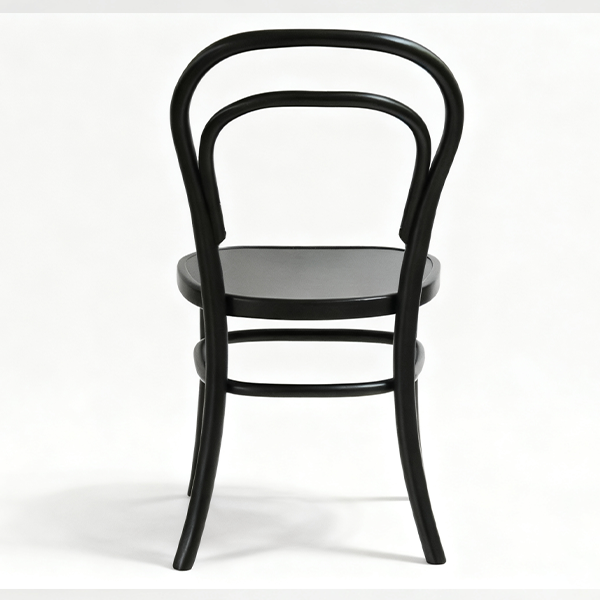
BENTWOOD CHAIR

CH14A-P

——

DESIGN

August Thonet , 1876

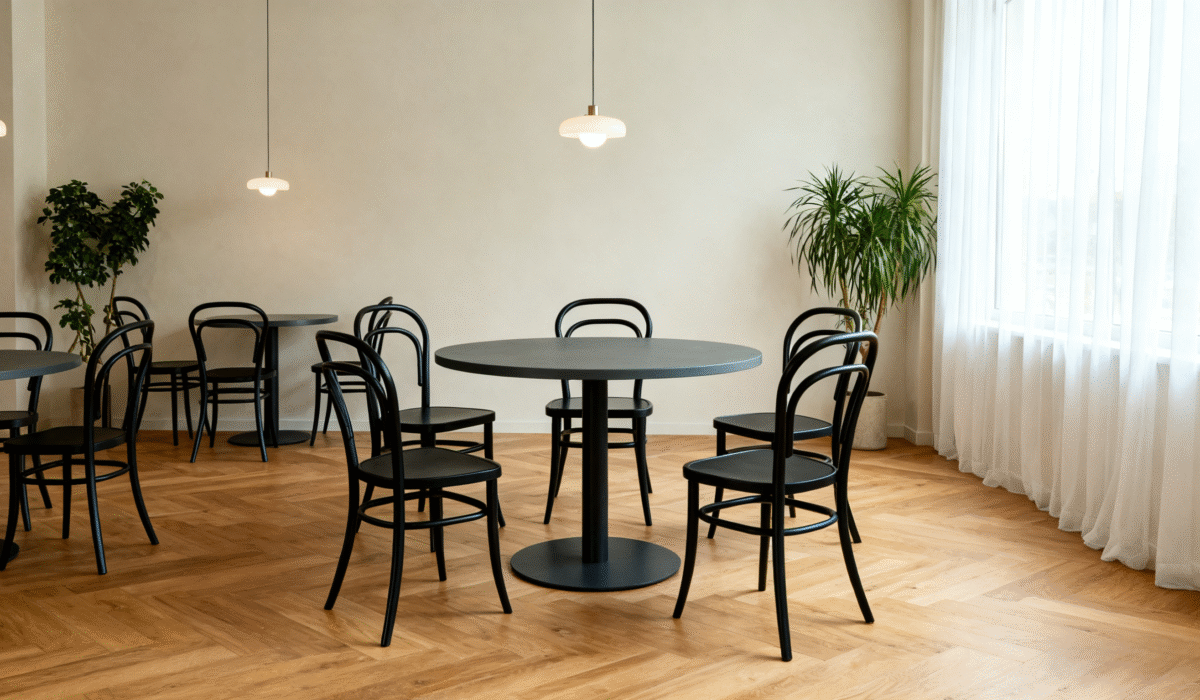
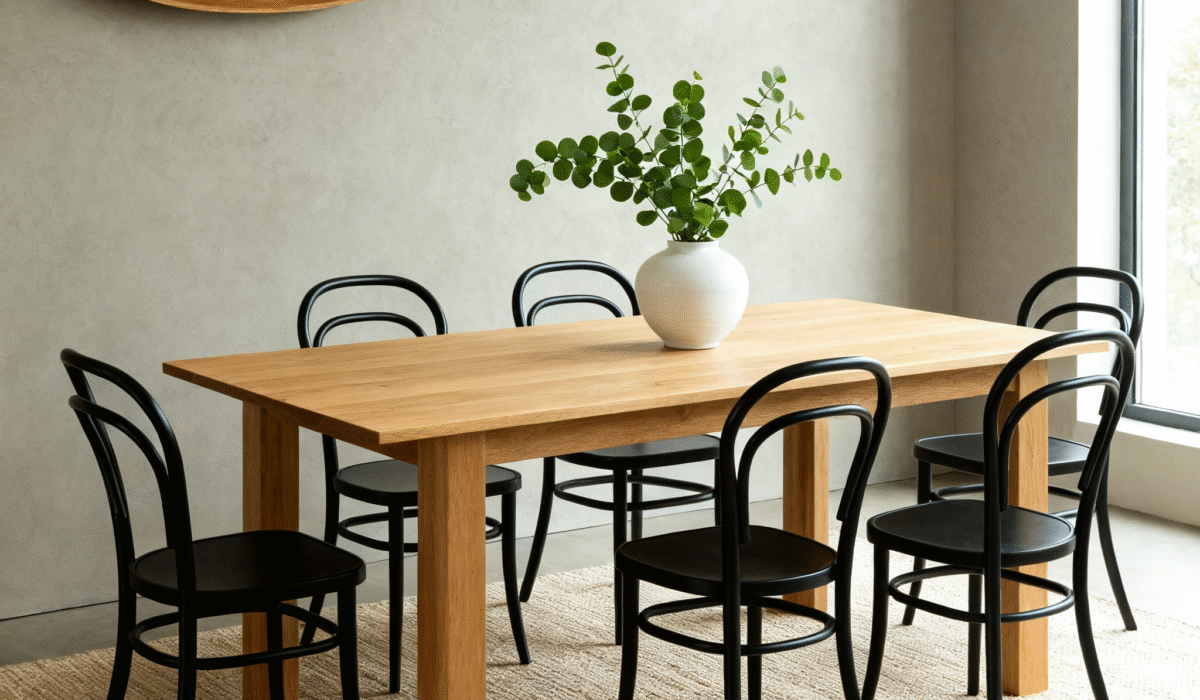
Designed in 1876 by August Thonet (son of Michael Thonet), this chair employs Thonet’s signature steam-bent solid wood technique. By softening beech wood and bending it into a flowing double-curved backrest and arched legs, it achieves a perfect harmony of structure and aesthetics. With its taller backrest and enhanced support, the No. 18 chair is better suited for extended sitting, making it a popular choice in European taverns, cafés, and home dining rooms. It stands as one of the Thonet family’s most iconic works and, alongside the No. 14 chair, defined the golden age of bentwood furniture, influencing design movements such as the Bauhaus and Modernism. Still produced and reissued worldwide today, it is widely used in homes, cafés, and restaurants, standing as a classic design that combines practicality with aesthetic value.

TECHNICAL DATA

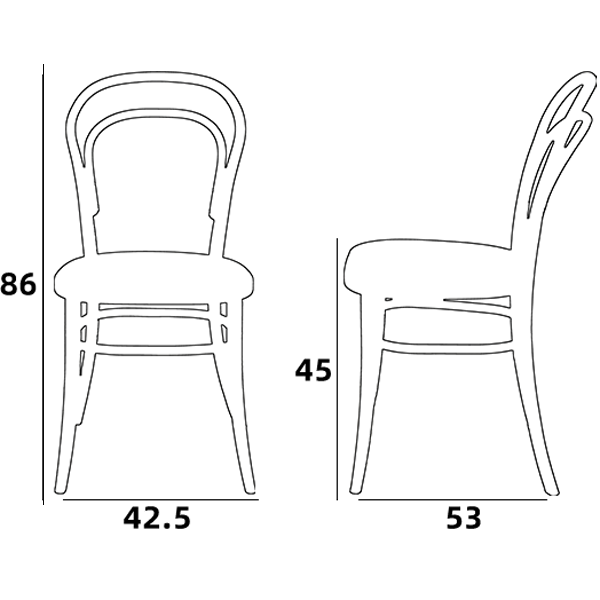
Height: 86 cm

Width: 42.5 cm

Depth: 53 cm

Seat height: 45 cm

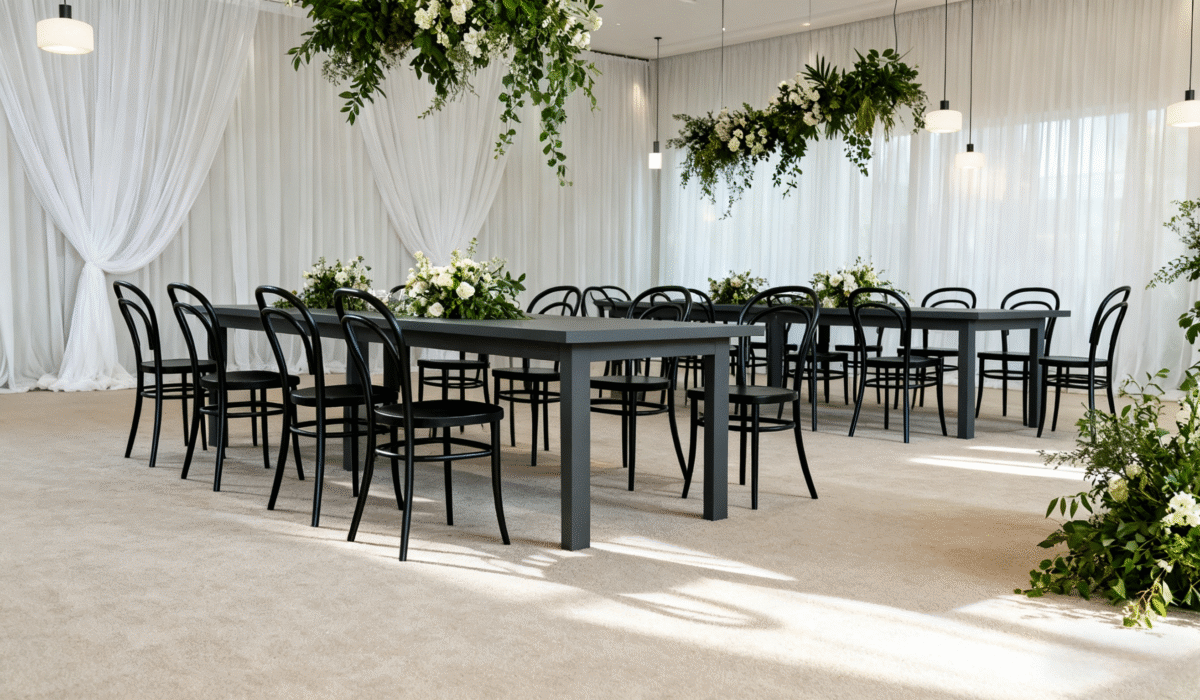
Stackable: yes

Material: beech

Weight: 8 kg
LEARN MORE

Structural Optimization

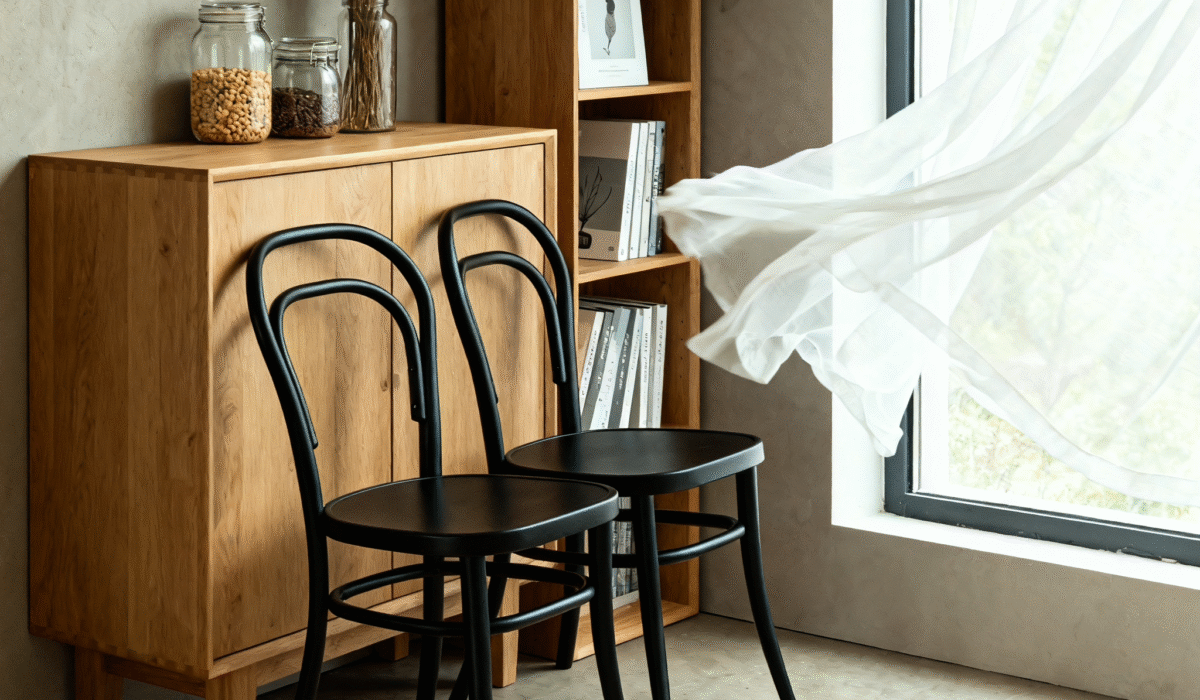
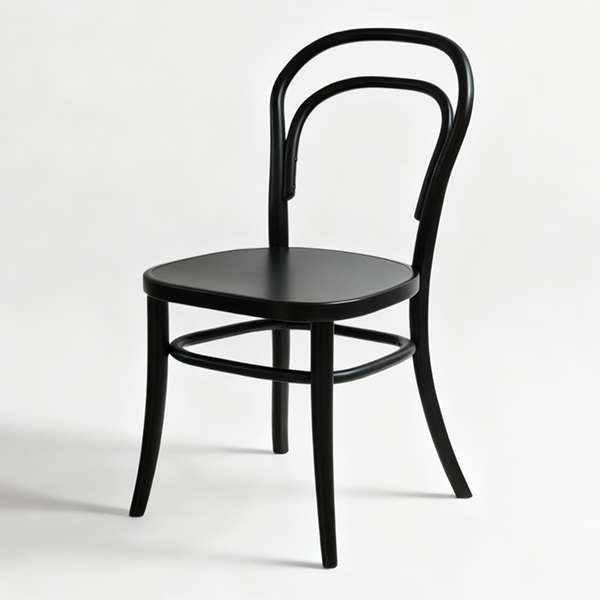
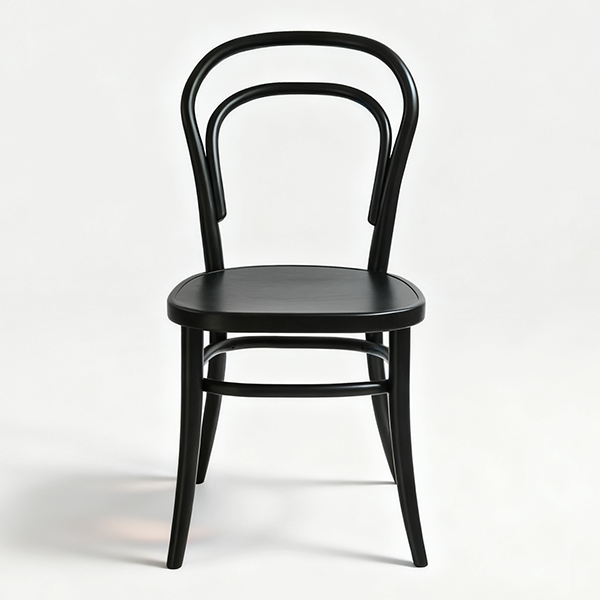
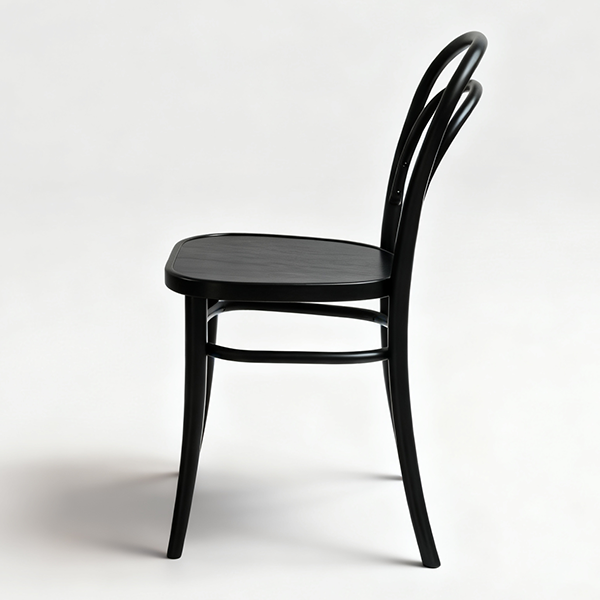
The curved wood in the center of the double-ring backrest directly connects the seat to the backrest. Compared to the independent double-ring design of Chair No. 14, this structure is more stable while maintaining a sense of visual lightness.

The curved backrest and slightly flared legs naturally conform to the back and hips, distributing body pressure and balancing comfort with stability.

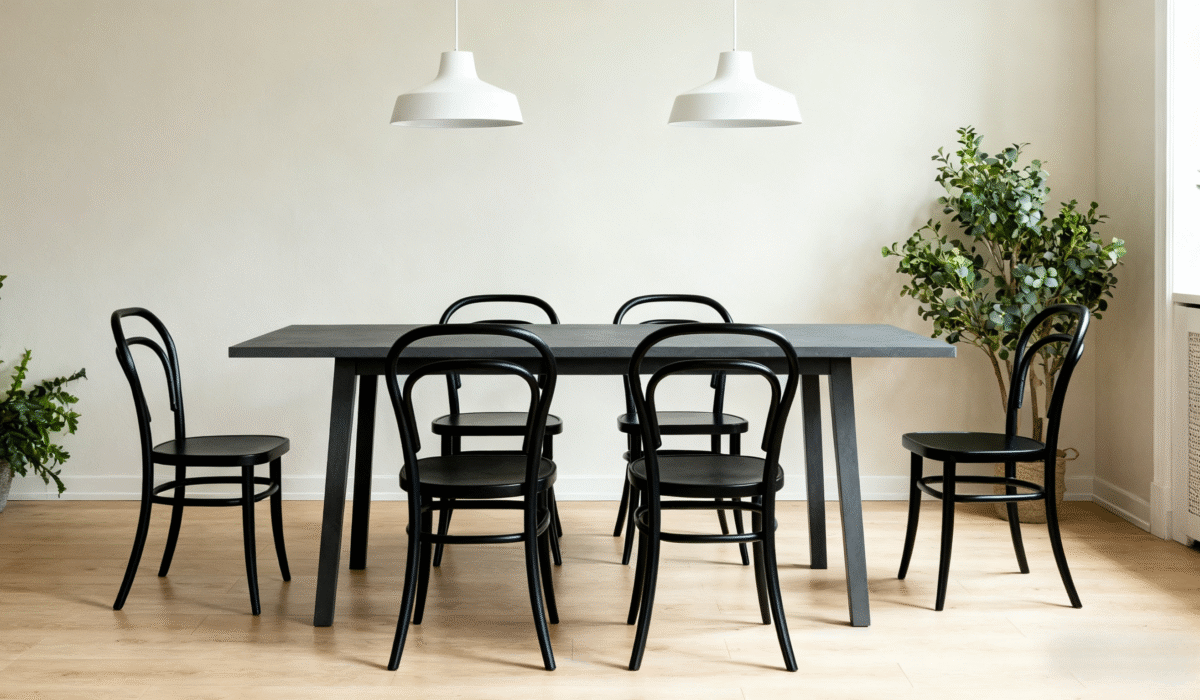
The chair can be disassembled for flat-pack shipping, significantly reducing transportation costs. It also offers a variety of seat options, including rattan, solid wood, and upholstered finishes (as shown in the image with a solid wood seat), making it suitable for spaces of diverse styles.

Steam-bent beech wood is shaped from a single piece, eliminating joints and preventing fractures, ensuring the chair’s durability and strength.

Steam-bent solid wood (primarily beech). High-temperature steam softens the wood, allowing it to be shaped using molds; after drying, the chair retains its stable curvature.

The original version typically features a rattan seat (breathable and lightweight), while options also include a solid wood laminate seat (as shown) and an upholstered version, catering to diverse setting requirements.

The chair shown features a matte black finish. Other classic color options include natural wood and walnut, making it suitable for a variety of interior styles, including vintage, Scandinavian, and industrial.