
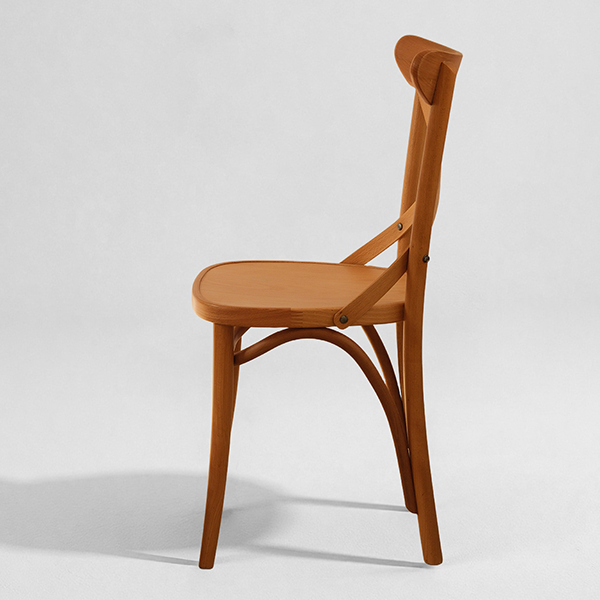
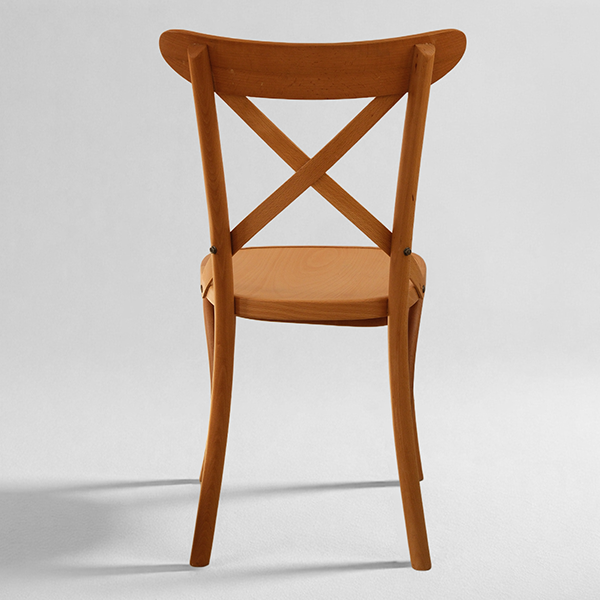
BENTWOOD CHAIR

CH18A-P

——

DESIGN

Michael Thonet , the mid-19th century

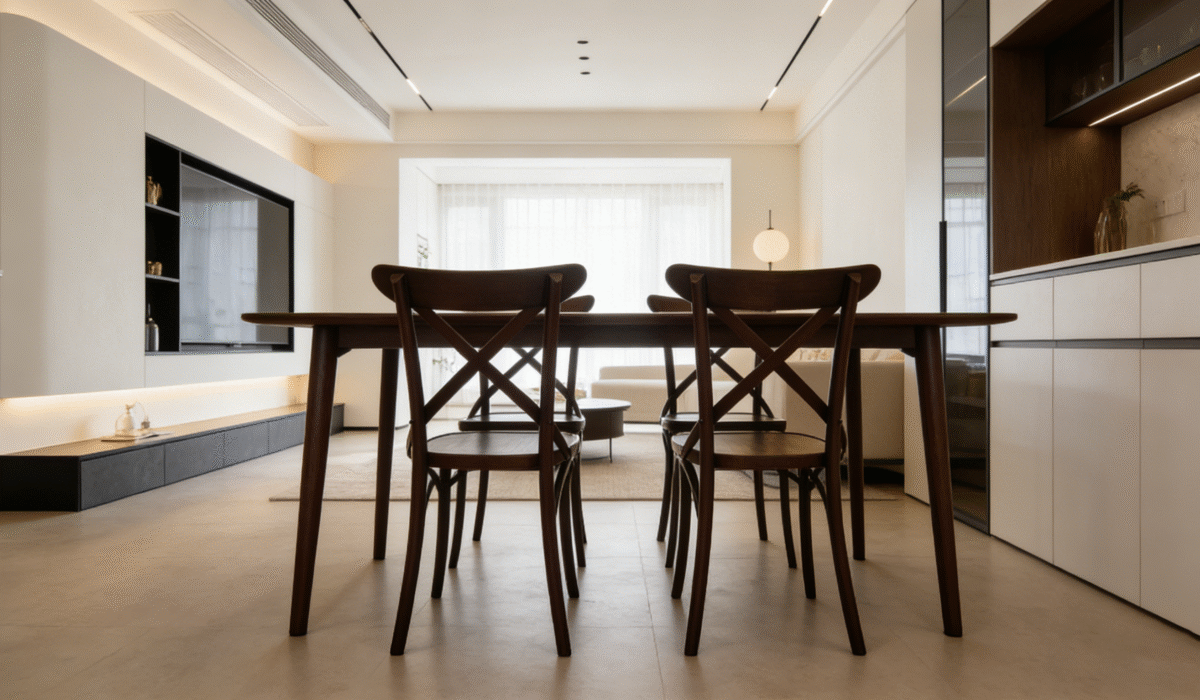
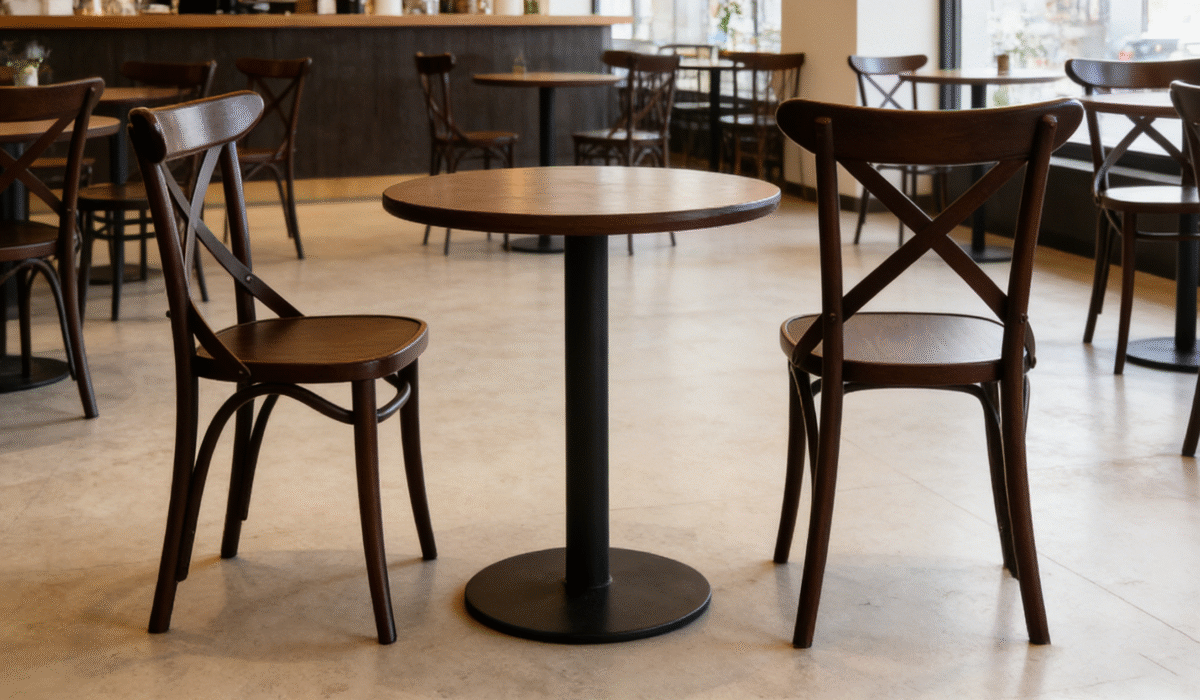
The core technology traces its origins to the steam-bent solid wood process developed by Michael Thonet in the mid-19th century. The creation of Thonet Chair No. 14 in 1859 laid the technical foundation for the industrial mass production of this type of bentwood chair. It is a fusion of Thonet’s bentwood craftsmanship and rustic, functional aesthetics, demonstrating how traditional craftsmanship can be adapted to meet the needs of various settings through structural innovation. In early 20th-century Europe, it served as a vital symbol of tavern culture and rural life, bearing witness to the social interactions and lifestyles of the working class; today, it has become an iconic piece in retro-style spaces, widely used in bed-and-breakfasts, cafés, and home dining rooms.

TECHNICAL DATA

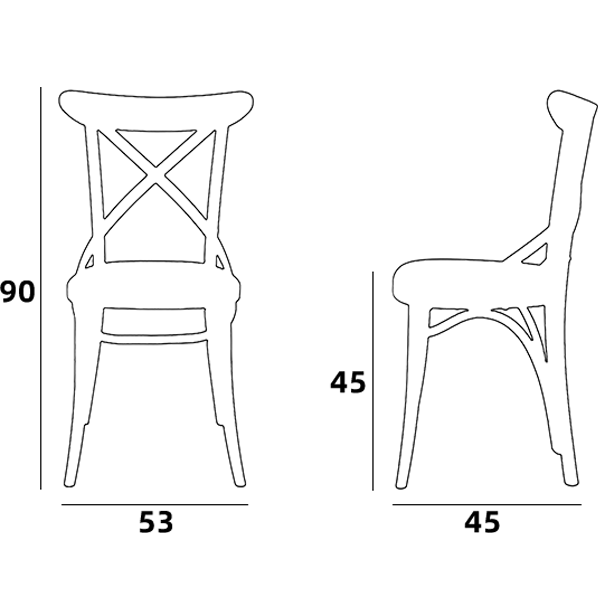
Height: 90 cm

Width: 53 cm

Depth: 45 cm

Seat height: 45 cm

Stackable: yes

Material: walnut

Weight: 8 kg
LEARN MORE

Minimalist Structure

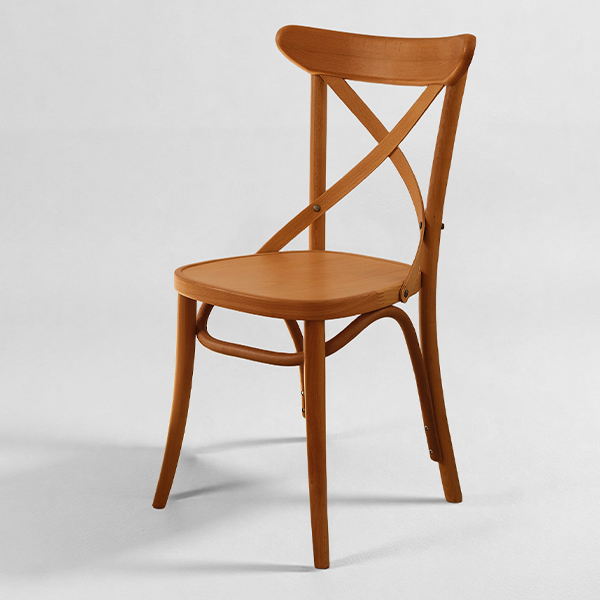
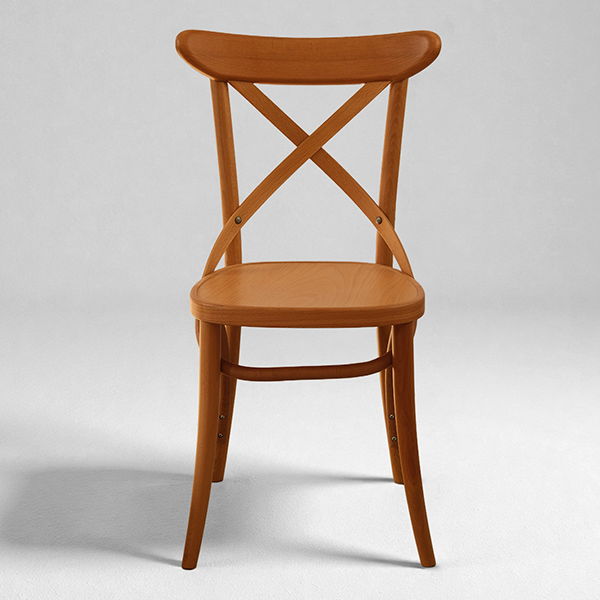
The entire chair consists of just six bentwood components, ten screws, and two washers—free of unnecessary embellishments, with a clear and efficient structure.

The fluid curves are both ergonomic and designed to maximize material strength, balancing comfort with stability.

The chair can be disassembled into flat-pack components; a single cubic box can hold 36 units, significantly reducing shipping costs and making this classic design accessible to households and cafés alike.

The elegant double-loop backrest has become an iconic symbol, blending classical and modern elements, and is still regarded today as “the chair of chairs.”

Steam-bent solid wood (primarily beech). High-temperature steam softens the wood, allowing it to be shaped using molds; after drying, the chair retains its stable curvature.

Original versions typically feature rattan seats (breathable and lightweight), though solid wood seat versions are also available (as shown in the image), catering to different usage scenarios.

The solid wood frame and simple joinery ensure the chair can withstand long-term use; many original 19th-century chairs are still in use today.